
The presence of ventilation in a room is essential for proper air circulation to maintain humidity and temperature while removing pollutants such as odors, smoke, and dust. A space with good, fresh air circulation feels more comfortable and helps reduce the risk of respiratory illnesses as well as skin irritation or infections caused by dust and other particles.
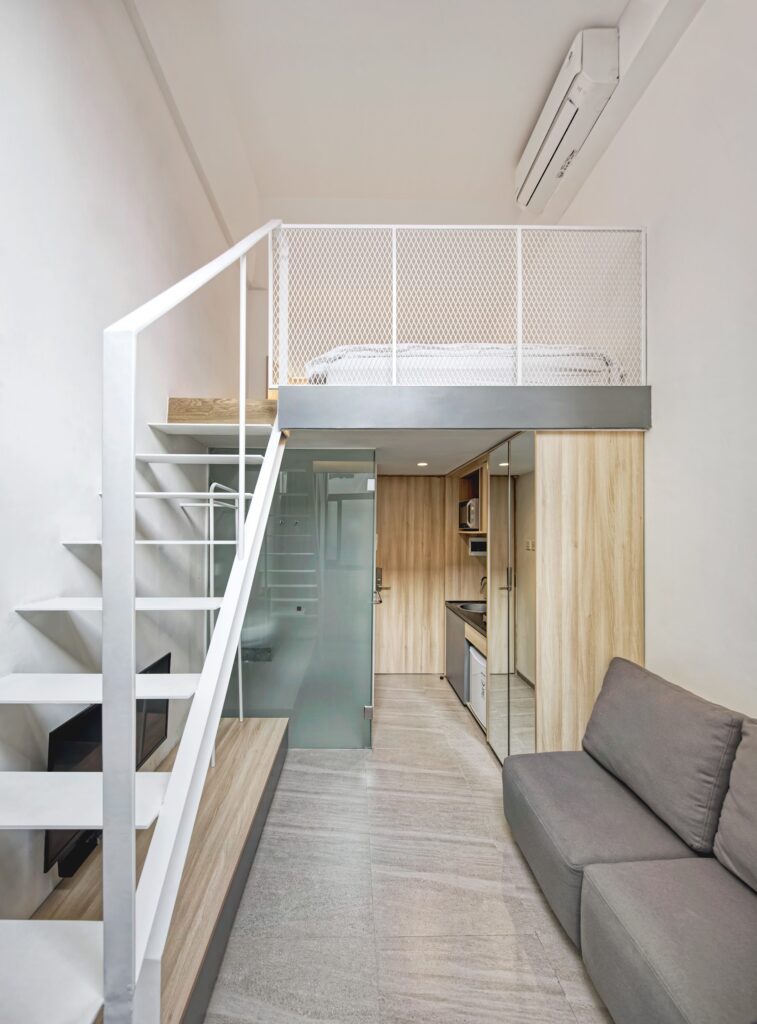
The presence of ventilation in a room is essential for proper air circulation to maintain humidity and temperature while removing pollutants such as odors, smoke, and dust. A space with good, fresh air circulation feels more comfortable and helps reduce the risk of respiratory illnesses as well as skin irritation or infections caused by dust and other particles.
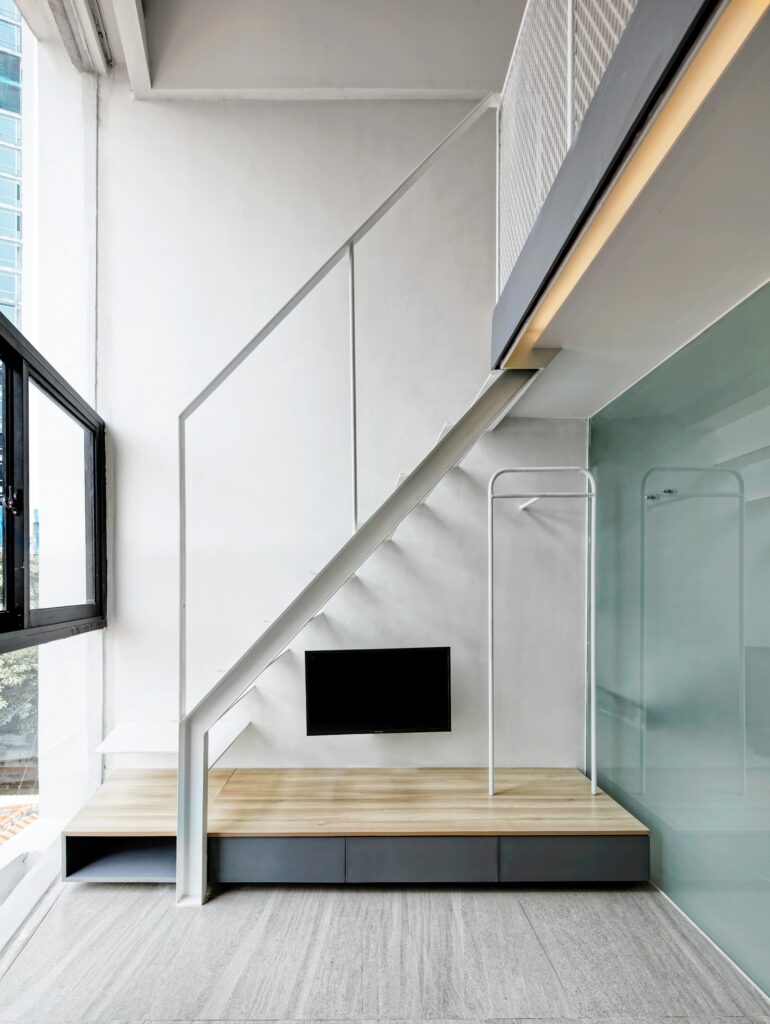
Equipped with large, functional windows that can be opened to instantly replace indoor air with fresh air from outside, the units ensure smooth air circulation and well-maintained air quality. In addition, each en-suite bathroom has its own ventilation system in the form of an exhaust fan, helping prevent contamination and reduce humidity inside the bathroom.
As an overview, ventilation is generally divided into three types:
1. Natural Ventilation
Natural ventilation refers to airflow that occurs without the use of mechanical devices. Examples include windows, doors, and cross-ventilation openings that allow air to flow naturally through a space.
2. Mechanical Ventilation
Mechanical ventilation relies on equipment that uses power or machinery, such as electric fans, exhaust fans, and HVAC (Heating, Ventilation, and Air Conditioning) systems.
3. Hybrid Ventilation
Hybrid ventilation combines both natural and mechanical systems, optimizing air circulation by utilizing natural airflow while also incorporating mechanical support when needed.